

Getting engaged after making aliyah is one of the happiest milestones of your new life in Israel. Planning the wedding can also feel like learning a whole new system: the paperwork is different, venues price their weddings differently, and most of the conversations happen in Hebrew.
This guide is for olim and international couples who want to understand how it all works before they start signing contracts. It covers four things: the legal side, how wedding pricing really works, working with vendors, and welcoming family who fly in from abroad. At the end there is a simple timeline you can follow.
I'm Brenna, founder of The Ahava Edit. I help olim and international couples plan their weddings in Israel, in English, with someone who speaks Hebrew on their side.
Step 1: Sort out the legal side early
In Israel, Jewish marriages are registered through the Chief Rabbinate. For olim, the biggest task is usually paperwork from abroad, so start gathering it as soon as you have a date.
What you will typically need (Nefesh B'Nefesh):
A letter from a recognized Orthodox rabbi abroad confirming you are Jewish and single. Converts bring their conversion documents.
Two witnesses, not close relatives, who can confirm you are single.
Teudat Zehut (or passport), passport photos, and sometimes a birth certificate.
Your parents' ketubot, if you have them.
The kashrut certificate of your wedding venue.
Two ways to open your file:
Your local religious council. The file is opened between 90 and 21 days before the wedding.
Tzohar. An Orthodox, Rabbinate-recognized organization that works in English. You can open your file from a year to six weeks before the wedding, and their volunteer rabbis officiate free of charge (you cover travel).
There is a registration fee of around ₪800. New olim marrying within two years of aliyah are eligible for a discount.
Not marrying through the Rabbinate? Many couples have a Reform, Masorti or non-religious ceremony in Israel and make it legal with a civil marriage abroad (often Cyprus) or an online civil marriage, then register it with the Population Authority. Organizations like New Family explain the current options. Rules change, so always check before you book.
Step 2: Understand how Israeli weddings are priced
Most Israeli venues charge per guest ("per plate"), and that number is only the starting point. When I collected quotes from popular garden venues in the Center in 2026, prices ranged from about ₪350 to ₪650 per guest, most with a minimum of 200-300 guests.
Before you compare quotes, ask every venue these questions:
Is VAT included? Israeli VAT is 18%, and many quotes leave it out.
What is the minimum guest count? You usually pay for the minimum even if fewer guests come.
What costs extra? Sound and lighting, design, bar upgrades and chuppah setup can add ₪5,000–10,000 or more.
Is there a surcharge for Thursdays, Fridays or peak season?
What is the kashrut level, and can I see the certificate?
Weekday and winter dates (roughly November to March) are often noticeably cheaper. If your date is flexible, ask for prices for several dates; the difference can be significant.
Typical 2025–2026 costs
Range (₪)
Venue, per guest (Center)
350–650
Venue, per guest (North / South)
250–450
Photography + video
9,000–15,000
DJ
6,000–16,000
Bridal hair and makeup
3,500–7,500
Flowers and design
5,000–20,000
These are ranges from my own quotes and Israeli wedding directories. Always confirm current prices directly.
Not sure whether a quote is fair? That's exactly what The Ahava Edit's Clarity Session is for: one call, a planning workbook and a clear venue brief, so you can compare with confidence.
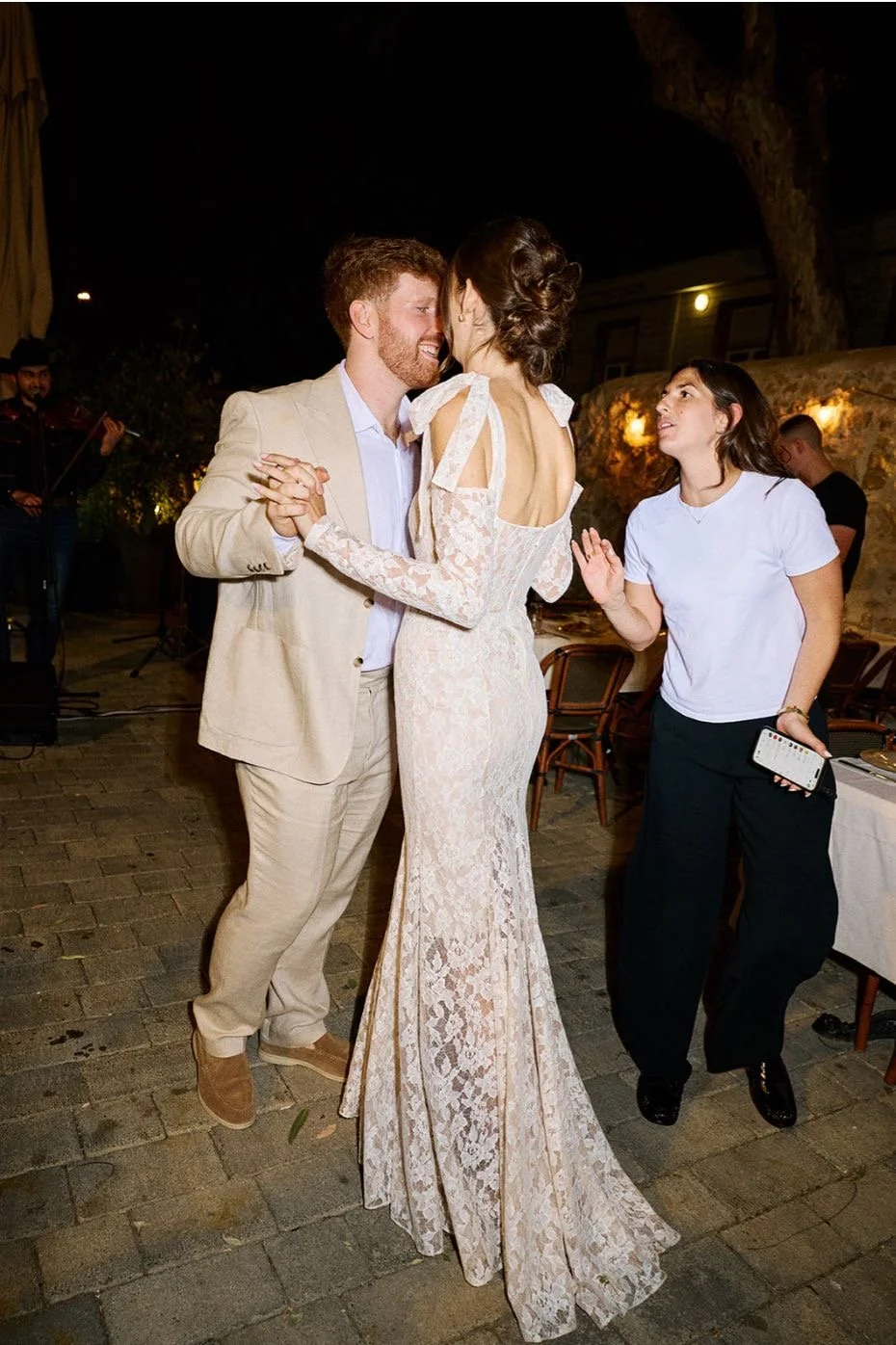
Step 3: Book vendors in the right order
Popular venues and vendors in Israel often book 6–12 months ahead, so the order you book in matters.
Venue and date. Everything else depends on it.
Rabbi or officiant. Especially if you want an English-speaking rabbi.
Photographer, videographer and DJ. The most in-demand vendors fill up first.
Hair and makeup, flowers and design.
Extras: magnets (instant photo prints), invitations, kippot, guest transport.
Tips for working with vendors in Hebrew:
Ask for every quote in writing, with what is included and what is not.
Check overtime rates. Israeli weddings often run late.
Clarify the deposit, the payment dates and the cancellation terms before you sign.
Compare like with like. One photographer's package may include an album and a second shooter; another's may not.
If your Hebrew isn't strong, bring someone who can read the contract with you. It's worth it.
Step 4: Plan for family flying in
For many olim, the guests who mean the most are the ones travelling the furthest. A little planning makes a big difference to their experience.
Send your date early. Give overseas guests at least 6–8 months' notice so they can book flights at reasonable prices.
Arrange a hotel room block. Many hotels offer group rates for wedding guests. Choose one close to the venue or in a central location.
Organize transport. A shuttle bus from the hotel to the venue saves guests from navigating taxis late at night. A 55-seat round trip usually costs ₪1,600–3,200.
Explain how Israeli weddings work. Guests from abroad are often surprised that the chuppah may start late, that cash or cheque gifts are standard, and that the dancing goes on for hours.
Plan the whole weekend. A welcome dinner, a Shabbat meal or a brunch the day after turns a long trip into a special visit.
Livestream for those who can't come. Several Israeli videographers offer this in English.
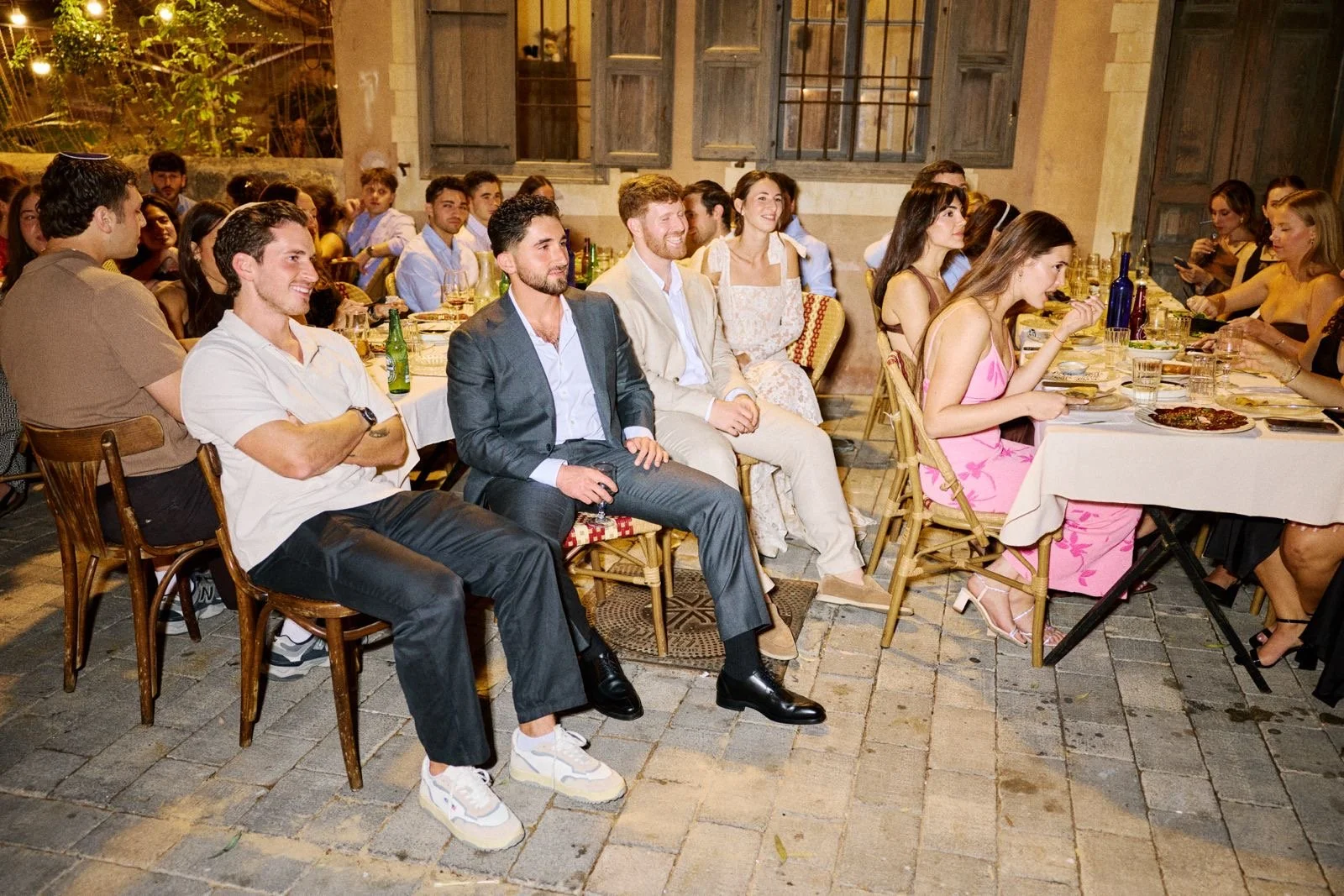
Beyond the paperwork: how The Ahava Edit helps
The bureaucracy has a clear path. The harder part is everything around it: knowing whether a quote is fair, comparing vendors in Hebrew, making decisions without a local network to ask, and hosting both your Israeli friends and your family from abroad.
I started The Ahava Edit to be the person I wished I had: someone who speaks both languages, knows how Israeli weddings really work, and is on the couple's side. You choose exactly the help you need:
The Clarity Session (₪390): one call, a planning workbook and a written venue brief. The best place to start.
The Vendor Edit: I find, compare and negotiate with vendors in Hebrew; you make every decision.
Venue Tour Companion: I join your venue visits and ask the right questions.
Wedding Weekend Events and Guests Flying In: welcome dinners, Shabbat meals, hotels and a welcome guide for overseas family.
The Full Edit: your whole wedding organized in English.
All prices are published on the website, so there's no sales call needed.
A simple wedding timeline
12 months before: Set your budget and guest count. Visit venues and book your venue and date.
10–12 months: Start gathering your documents for the Rabbinate (letters from abroad take time). Book your rabbi.
8–10 months: Book your photographer, videographer and DJ. Send save-the-dates to overseas guests.
6 months: Book hair and makeup, flowers and design. Reserve a hotel room block.
3–4 months: Send invitations. Book guest transport and plan weekend events.
6 weeks–3 months: Open your marriage file (timing depends on Tzohar or your local religious council).
1 month: Confirm every vendor, finalize the seating and run-of-show.
Wedding week: Reconfirm times with every vendor, then hand everything over and enjoy your day.
About the author
Brenna is the founder of The Ahava Edit, a wedding planning service for olim and international couples getting married in Israel. She speaks Hebrew, handles vendor communication and negotiation for couples, and helps families from abroad feel at home for the celebration.
Newly engaged? Brenna offers a free 15-minute call to talk through where you are and what would help most. Reach her on Instagram, by email at theahavaedit@gmail.com, or on WhatsApp at +972 53 380 2719.