
The Real Cost of Raising Children in Israel: From Daycare to Bar Mitzvah
Introduction
Raising children in Israel combines unique cultural experiences with significant financial challenges. From expensive daycare to extensive extracurricular expectations, Israeli parenting requires substantial budgets. This comprehensive guide details the true costs at each stage, helping families plan effectively for their children's needs.
Pregnancy and Birth Costs
Israel's universal healthcare covers pregnancy care and hospital birth. However, many parents choose additional services: private birth suites (5,000-15,000 NIS), doulas (3,000-8,000 NIS), and prenatal classes (500-2,000 NIS). Post-birth expenses include equipment (stroller, car seat, crib: 3,000-15,000 NIS total), and the traditional brit milah or simchat bat celebrations (2,000-20,000 NIS depending on scale).
Infant Care (0-3 Years)
Childcare for infants is the most expensive stage. Options include: home nanny (5,000-8,000 NIS monthly), au pair (room, board, plus 2,500-4,000 NIS stipend), family daycare (mishpachton: 3,000-4,500 NIS), or daycare centers (ma'on: 2,500-4,500 NIS). Subsidies are available based on income but don't cover full costs. Add formula, diapers, and baby supplies: 1,000-2,000 NIS monthly.
Preschool Years (3-6)
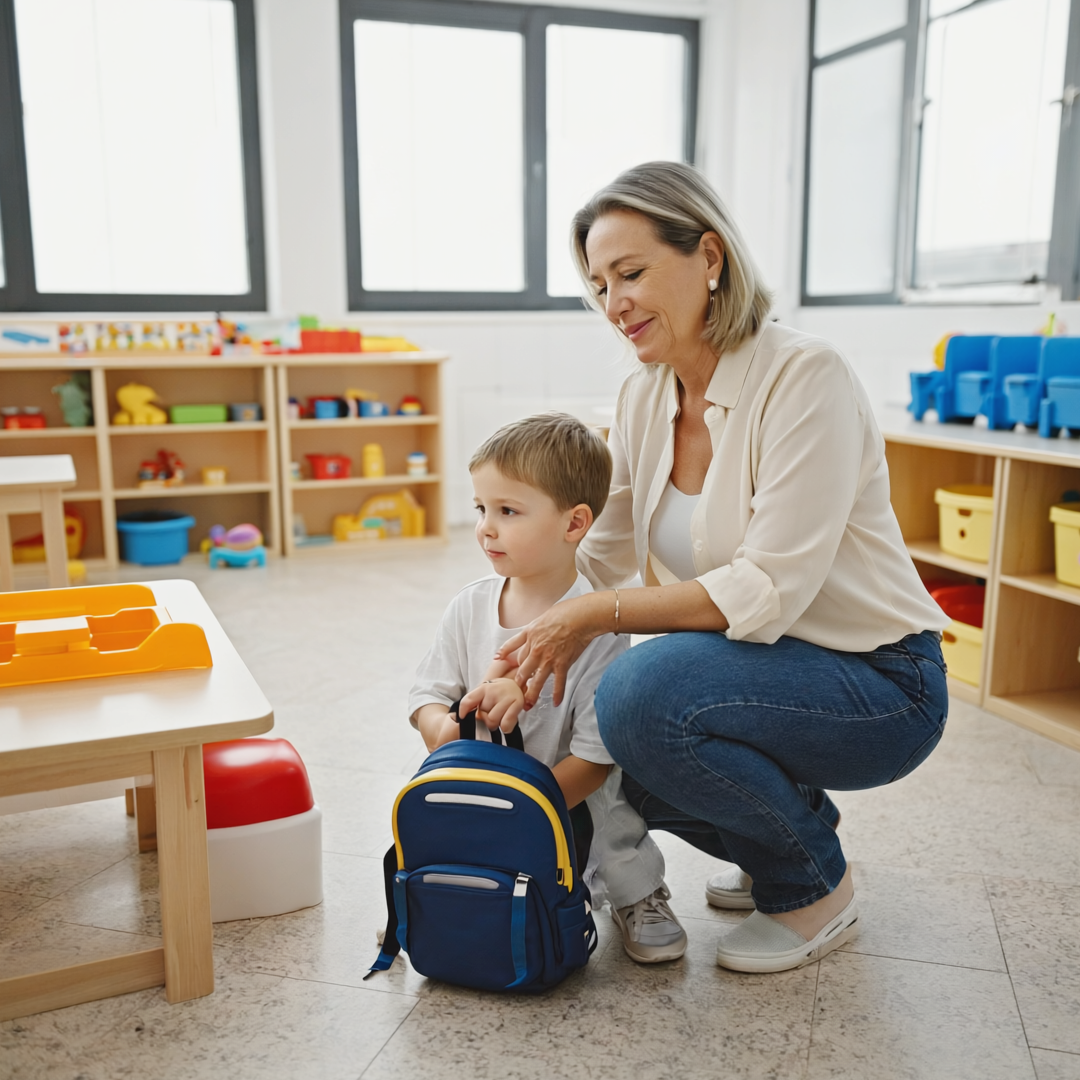
Public preschool (gan) is free from age 3, though parents pay for supplies, trips, and extended hours (tzaharon: 500-1,500 NIS monthly). Private and religious preschools charge 1,500-4,000 NIS monthly. Supplementary classes (chugim) begin at this age—swimming, dance, music: 200-500 NIS each monthly. Birthday parties become social expectations: 1,500-5,000 NIS per party.
Elementary School (6-12)
Public elementary education is free, but associated costs add up: school supplies (500-1,000 NIS annually), class trips (500-2,000 NIS), parent committee fees (300-800 NIS), and informal activities. After-school programs (tzaharon/aruchat tzaharayim) cost 500-1,500 NIS monthly. Extracurricular activities intensify: sports clubs (300-800 NIS monthly), music lessons (200-500 NIS), and tutoring if needed (100-250 NIS per hour).
Middle and High School (12-18)
Secondary education remains free in public schools, but costs escalate: school trips including multi-day excursions (2,000-5,000 NIS annually), books and materials (1,000-2,000 NIS), and intensive tutoring for bagrut exams (15,000-40,000 NIS over three years for subjects like math and English). Youth movements and pre-army programs add costs but are considered essential by many families.
Bar/Bat Mitzvah Celebrations
Bar and bat mitzvahs are major cultural milestones requiring significant investment. Minimal celebrations cost 15,000-30,000 NIS. Average celebrations run 30,000-60,000 NIS. Elaborate events reach 100,000+ NIS. Costs include: venue and catering, clothing, religious services, photography/video, decorations, and gifts for the child. Many families save specifically for this milestone.
Private School Considerations
Private and international schools offer alternatives to the public system. Democratic schools: 15,000-30,000 NIS annually. Religious private schools: 10,000-25,000 NIS. International schools (American, British curricula): 50,000-100,000 NIS annually. These costs can rival or exceed university tuition but may provide specific educational approaches or prepare children for study abroad.
Financial Planning Strategies
Smart planning helps manage costs: start savings early (children's savings accounts offer tax benefits), take advantage of government subsidies for childcare, share costs through carpools and activity groups, buy second-hand equipment and clothes, and plan major celebrations according to your means rather than social pressure. Some employers offer childcare subsidies—check your benefits.
Conclusion
Raising a child from birth to 18 in Israel costs approximately 1-2 million NIS—varying significantly based on choices and location. Monthly costs average 3,000-6,000 NIS per child including childcare, education-related expenses, activities, clothing, and personal needs. The most expensive years are infancy (childcare costs) and high school (tutoring and preparation for independence). Planning ahead, making informed choices, and resisting social pressure to overspend helps families provide excellent upbringing within their means.