
Ahkelon | Anglo Communities
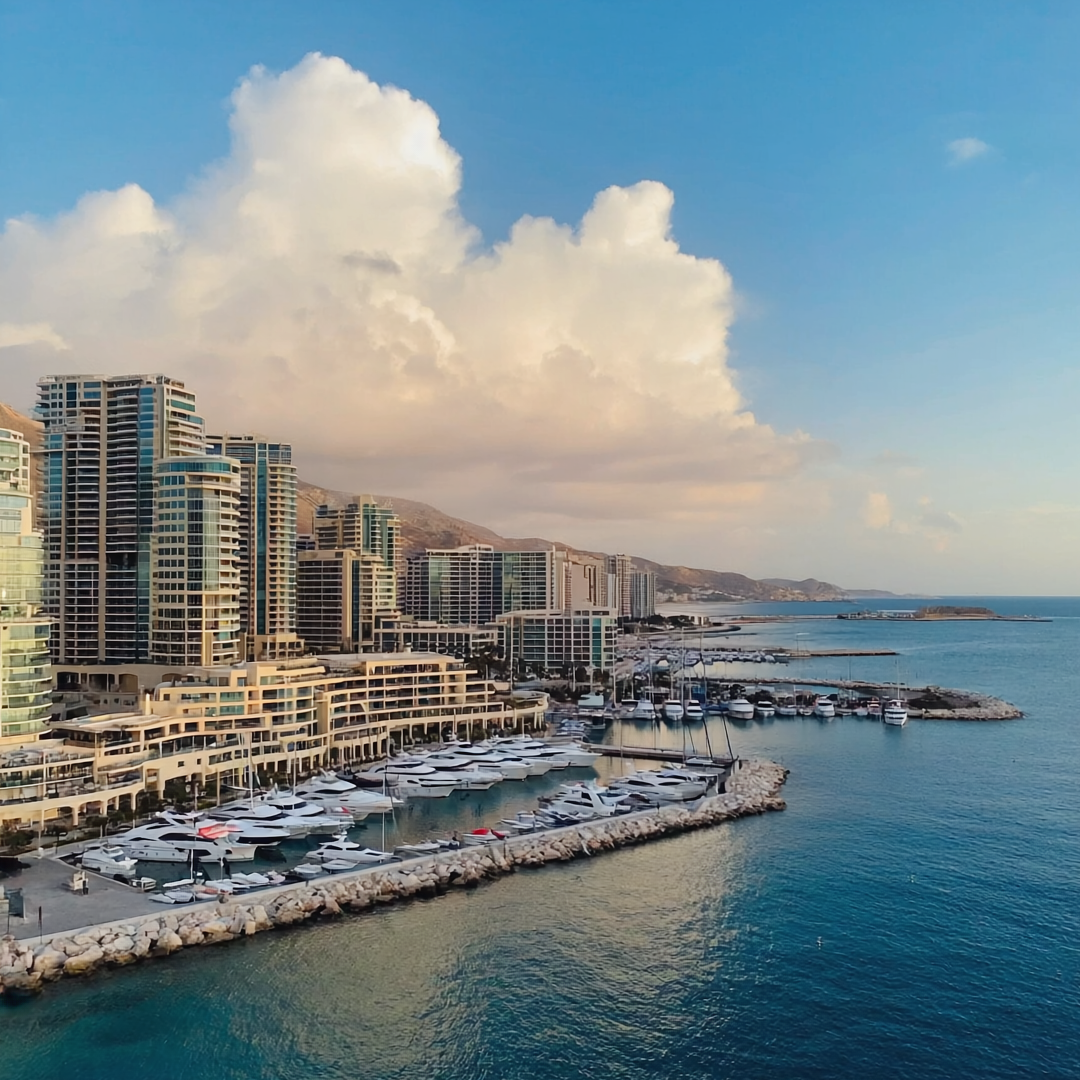
Welcome to this exploration of what it's really like to live in Ashkelon as an English-speaking immigrant. Whether you're seriously considering aliyah or just curious about this Mediterranean coastal city, I want to give you an honest picture of daily life in one of Israel's most affordable beachfront destinations.
Ashkelon is a city of contrasts and surprises. It's one of the oldest continuously inhabited cities in the world—with archaeological remains dating back five thousand years—yet it feels distinctly modern, with new development transforming its skyline. It's a city where ancient Philistine ruins sit near gleaming residential towers, where working-class neighborhoods exist alongside luxury marina developments, and where the pace of life moves slower than Tel Aviv but faster than the peripheral towns of the Negev. For English-speaking immigrants, Ashkelon presents genuine opportunities alongside significant trade-offs.
Let me start with the fundamental question: where do Anglos actually live in Ashkelon? The answer reveals something important about this city.
Unlike Jerusalem or even Tel Aviv, Ashkelon doesn't have a single dominant Anglo neighborhood. English speakers are more dispersed, though certain areas have developed small concentrations. The marina area and Barnea neighborhood in the north tend to attract more affluent immigrants and have the closest thing to an Anglo presence—perhaps ten to fifteen percent in certain buildings. Afridar, the original city center near the beach, has some Anglo families drawn by its proximity to the sea and relatively affordable housing. The city simply doesn't have the critical mass of English speakers you'd find in places like Baka or Ra'anana. This is both a challenge and, for some, an opportunity for genuine integration.
Now let's talk honestly about what draws people here: cost. Ashkelon is affordable. Remarkably affordable by Israeli coastal standards.
A three-bedroom apartment in a good neighborhood will cost you one point five to two point five million shekels—that's roughly four hundred thousand to seven hundred thousand dollars. Compare that to four and a half to six million shekels in Jerusalem's Baka or similar prices in Tel Aviv. Even in Ashkelon's most prestigious new developments along the marina, a four-room apartment starts around two point five million shekels. You're looking at half or even a third of what you'd pay in the center of the country for comparable space—and often with sea views thrown in. For families priced out of the center, Ashkelon represents a genuine path to Israeli homeownership.
So what's the catch? Why isn't everyone moving here?
Geography is the honest answer. Ashkelon sits in Israel's south, about sixty kilometers from Tel Aviv and twelve kilometers from the Gaza border. That proximity to Gaza is something every potential resident must reckon with. During conflicts, Ashkelon has faced rocket fire—the city has a fifteen-second warning time, meaning shelters must be nearby and residents must be prepared. Between conflicts, daily life proceeds normally, and many residents say they rarely think about it. But it shapes insurance costs, property values, and the psychological reality of life here. Some people adapt completely; others find the stress untenable. You need to be honest with yourself about which category you'd fall into.
The commute question is equally important. If you're working in Tel Aviv, understand what you're signing up for.
The train from Ashkelon to Tel Aviv takes about fifty to sixty minutes, with trains running regularly. Add time getting to the station and reaching your final destination, and you're looking at ninety minutes each way—three hours daily. That's comparable to Jerusalem's commute, actually, but without Jerusalem's cultural and religious draws to compensate. Many Ashkelon residents work locally—the city has a significant high-tech presence with companies like VocalZoom and others, plus the nearby industrial zones. Others have negotiated remote work arrangements. If your job requires daily presence in Tel Aviv, think carefully about whether this commute is sustainable long-term.
Let me talk about what daily life actually feels like. Ashkelon is fundamentally a beach city, and the Mediterranean shapes everything.
Morning routines often include a run along the coastal promenade or a quick swim before work. The marina area bustles with activity—cafés filling up, joggers and cyclists on the paths, fishing boats heading out. The beaches here are genuinely beautiful and far less crowded than Tel Aviv's. Delilah Beach, with its archaeological park backdrop, offers swimming alongside ancient ruins. The marina itself hosts sailing clubs, restaurants, and an emerging entertainment scene. Weekend life revolves around the outdoors—beach time, barbecues in the national park, cycling along the coast.
But let's be clear about what Ashkelon isn't. It's not a cultural metropolis.
The restaurant scene is improving but limited compared to Tel Aviv or even Herzliya. Nightlife is modest. High-end shopping requires a trip north. The Anglo community infrastructure that Jerusalem offers—the established schools, the dense network of organizations, the constant programming—simply doesn't exist here at that scale. You won't find multiple Anglo synagogues to choose from or weekly English-language lectures. This can feel isolating, particularly in the early months of aliyah when you're craving familiar social frameworks.
Schools are a genuine consideration for families. Ashkelon has decent public schools, and the Sci-Tech network has a presence here. However, the elite Anglo-friendly schools that draw families to Jerusalem or Ra'anana don't exist in Ashkelon. If high-level English-language instruction and a large Anglo peer group matter for your children, this is a real trade-off. Many Anglo families in Ashkelon have found their children integrate faster precisely because they're more immersed in Hebrew-speaking environments—a silver lining to the smaller community.
Religious life in Ashkelon covers the spectrum but trends traditional and Sephardi. The city has a significant population of immigrants from North Africa and the former Soviet Union, which shapes the religious character. There are Modern Orthodox options and a Chabad presence, but the dense concentration of Anglo-style Modern Orthodox life found in Jerusalem's German Colony or Baka doesn't exist here. Secular Israelis are well-represented too. The religious atmosphere is notably more relaxed than Jerusalem—shops and restaurants open on Shabbat in many areas, and there's less of the Shabbat-transforms-everything feeling you get in religious neighborhoods elsewhere.
The Anglo community that does exist tends to be tight-knit precisely because it's smaller.
People know each other. New immigrants get noticed and often absorbed quickly into social circles. There's an AACI branch, occasional English-language events, and informal networks of British, American, and South African immigrants who've found each other. Social media groups help connect English speakers across the city. But you'll need to be proactive—the community won't come to you automatically the way it might in more established Anglo areas.
Let me be honest about the lifestyle trade-offs. Space is actually a point in Ashkelon's favor. Apartments here tend to be larger than comparable prices would buy in Tel Aviv or Jerusalem. A three-bedroom might be one hundred twenty to one hundred forty square meters—generous by Israeli standards. Many developments include parking, storage rooms, and balconies with sea views. The quality of new construction along the marina rivals anything in the center of the country, at significantly lower prices.
Cost of living beyond housing is moderate. A family of four in Ashkelon can live comfortably on twelve thousand to twenty thousand shekels monthly—that's roughly three thousand five hundred to six thousand dollars—notably less than Jerusalem or Tel Aviv. Dining out is cheaper. Parking is easier. The general pace of life is less expensive in ways that compound over time.
Here's my bottom-line assessment: Ashkelon is a city that rewards those who prioritize beach lifestyle, affordability, and genuine Israeli integration over Anglo community density and cultural offerings.
If you're drawn to coastal living at a price point that actually makes sense, if you can work remotely or locally, if you're comfortable with security realities of the south, if you want your children fully immersed in Israeli society, and if you're self-sufficient enough to build community rather than plug into existing frameworks—then Ashkelon offers remarkable value. You're living steps from the Mediterranean in a city experiencing genuine renewal, with archaeological treasures, beautiful beaches, and a quality of life that your housing budget simply couldn't buy elsewhere in coastal Israel.
But Ashkelon is not for everyone. If you need robust Anglo community infrastructure, Jerusalem or Ra'anana serve you better. If you're security-anxious and the rocket risk will keep you awake at night, the center of the country offers more distance from Gaza. If your career requires daily presence in Tel Aviv, the commute may grind you down. If you thrive on cultural programming, world-class restaurants, and urban energy, Tel Aviv is calling you for good reason.
The decision requires honest self-assessment about your priorities. Ashkelon won't give you everything. But for the right family—beach-loving, budget-conscious, integration-minded, and resilient—it offers something genuinely special: an affordable Israeli coastal life that most Anglo immigrants assume is out of reach.